
- Mon – Sat : - 8:30 AM - 9:30 PM
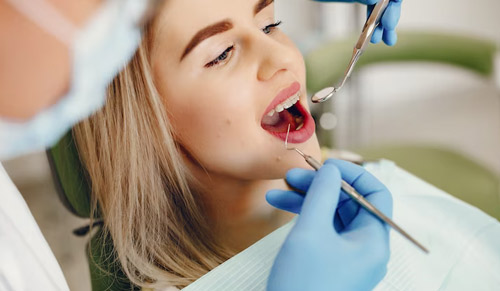
Orthodontic treatments are specialized dental procedures designed to correct irregularities in the alignment and positioning of teeth and jaws. These treatments aim to improve both the functionality and aesthetics of the mouth, ensuring that patients have a healthy bite and an attractive smile. Here are some common orthodontic treatments:
Braces: Traditional braces consist of metal brackets attached to each tooth, connected by wires and bands. The orthodontist adjusts the tension of the wires to gradually move the teeth into their desired positions over time. Braces are effective for a wide range of orthodontic issues, from simple to complex.
Clear Aligners: Clear aligners, such as Invisalign, have gained popularity as a more discreet alternative to traditional braces. These custom-made, clear plastic trays are worn over the teeth and need to be changed periodically to shift the teeth into place. Clear aligners are often preferred by adults and teenagers who want a less noticeable treatment option.
Retainers: After braces or other orthodontic treatments, retainers are often prescribed to maintain the corrected alignment of the teeth. There are removable and fixed (bonded) retainers, depending on the patient’s needs.
Headgear: Headgear is a device used to correct more severe jaw alignment issues, such as overbites or underbites. It involves wearing a headpiece outside the mouth, which connects to braces or other appliances inside the mouth. Headgear is typically worn for a specified number of hours each day.
Palatal Expanders: Palatal expanders are used to widen the upper jaw, primarily in children with narrow palates. They help create more space for crowded teeth and can alleviate breathing problems in some cases.
Orthognathic Surgery: In cases of severe jaw misalignment or malocclusions, orthognathic surgery may be necessary. This surgery involves repositioning the upper jaw (maxilla), lower jaw (mandible), or both to achieve proper alignment. It is often performed in conjunction with orthodontic treatment.
Space Maintainers: Space maintainers are appliances used in pediatric orthodontics when a baby tooth is lost prematurely. They help preserve the space for the permanent tooth to erupt properly.
Functional Appliances: These devices are often used in growing children to influence the development of the jaw and correct bite issues. Examples include Herbst appliances and Forsus springs.
Lingual Braces: Similar to traditional braces, lingual braces are attached to the backside of the teeth, making them virtually invisible from the front.
Mini-Implants (Temporary Anchorage Devices): Mini-implants can provide additional support during orthodontic treatment, especially in cases where traditional braces may not suffice.
Orthodontic treatments are typically tailored to each individual’s specific needs and may involve a combination of these methods. The duration of treatment varies depending on the complexity of the case but often spans several months to a few years. Regular follow-up appointments with the orthodontist are crucial to monitor progress and make necessary adjustments to the treatment plan. The ultimate goal is to achieve a healthy, functional bite and a confident smile.
